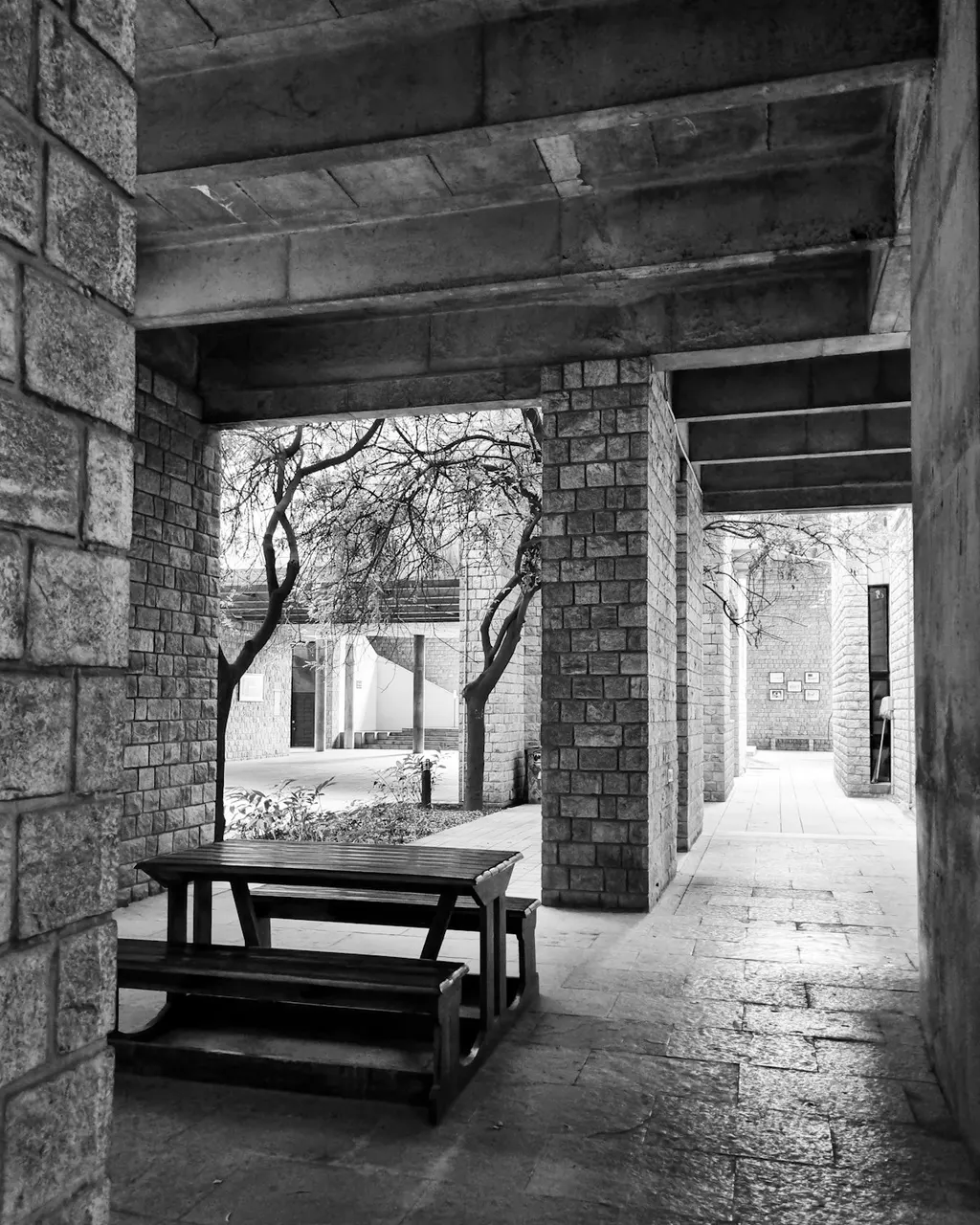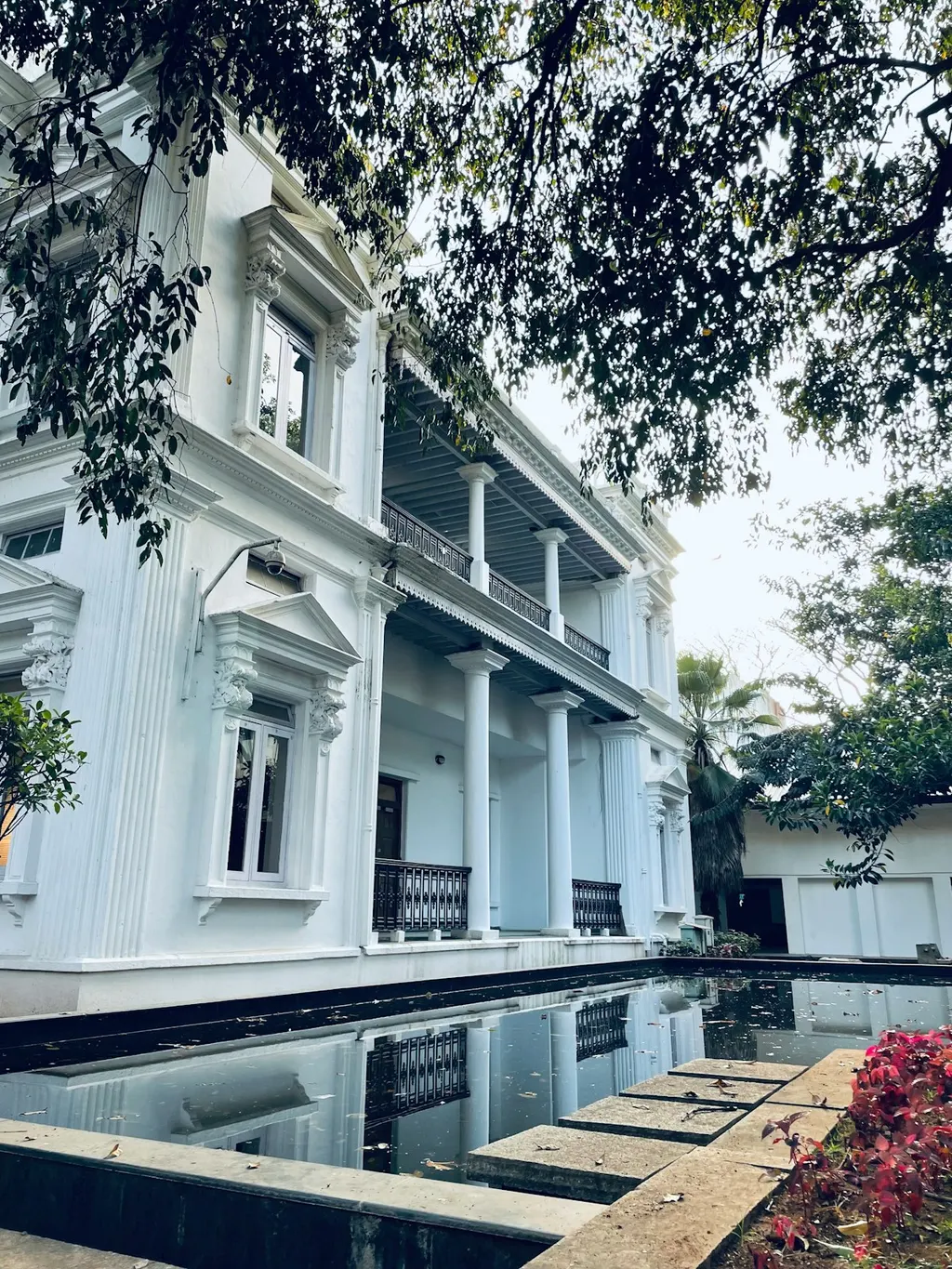

A listing tells you what the apartment is.
A building tells you what living there will be like.
Before you look at the kitchen, before you ask about the rent, before someone tells you that the building is “very well maintained”. Spend four minutes looking at everything around the home.
You’ll learn more than you think.
The approach road
Start before you enter.
Don’t drive straight into the gate. Slow down. Look at the last 200 metres.
Is the road wide enough for two cars to pass comfortably? What happens when someone parks badly? Is there a school, a café, a construction site or a busy commercial stretch nearby?
Look at the pavement. Then look at the drainage.
A building can have a beautiful lobby and still become miserable every monsoon if the road outside floods.
Would you want to arrive here at 10pm?
You’re not judging the building yet. You’re reading its context.
The gate
The gate tells you how the building is run. Not perfectly. But quickly.
Is security organised or improvised? Do visitors have a clear process? Are delivery riders allowed through, made to wait outside, or sent to a separate service entrance?
Look at the vehicles. Not to judge the residents. To understand the building.
Small signs of disorder tend to compound.
A building doesn’t suddenly become badly managed. It usually leaves clues.
The lift lobby
Now stop looking at the apartment. Stand in the lift lobby for thirty seconds.
Listen. Is it quiet? Can you hear the generator? Pumps? Traffic? Children playing somewhere above?
Look at the lifts. Two lifts for how many homes? Are both working? What does the maintenance look like?
Then look at the floor. Corners, skirting, ceilings, walls. You are looking for the things that photographs conveniently avoid.
A building that is constantly repairing the same things is telling you something. So is one that has stopped repairing them altogether.
The lift
Take the lift. Don’t fill the silence by checking your phone. Look around.
How long does it take to arrive? How does it feel when it moves? Is there ventilation? Does the door close properly? Is it large enough for furniture, groceries, a stroller, or a dog?
And then notice something surprisingly useful: who else is using it?
A lift is one of the few places where you briefly see the building as a community.
You don’t need to interview anyone. Just pay attention.
The water tank
This is the part most people never look at. You should.
You may not be able to inspect the tanks themselves, but you can often find the infrastructure around them.
Ask where the water comes from. Municipal supply? Borewell? Tanker? How often are tankers required? Where are the pumps? Is there backup?
Ask maintenance if there have been recent water issues, but mind how you ask.
The back of the building
If you have time, walk around.
The front of a building is presentation. The back is operations.
This is where a building reveals its age, its maintenance standards and the amount of thought that went into running it.
None of it belongs in the listing. All of it belongs in your decision.